
A Fresh Start for Painful Ingrown Toenails

Ingrown toenail removal can offer immediate relief when the edge of a nail digs into the surrounding skin and causes swelling, redness, or sharp, persistent discomfort. This problem usually affects the big toe and can make walking or wearing shoes feel unbearable. When home care no longer helps, a minor in-office procedure can gently lift or remove the troubled nail portion and allow the skin to heal. The treatment is quick, and most people feel better almost immediately. If ingrown toenails keep returning, a podiatrist may recommend a small procedure to prevent that part of the nail from growing back. This method is safe and very effective for frequent or severe cases. Early attention helps avoid infection and speeds healing. If you notice worsening toenail pain, drainage, or difficulty walking, it is suggested that you see a podiatrist for a proper diagnosis and appropriate care.

Ingrown toenails may initially present themselves as a minor discomfort, but they may progress into an infection in the skin without proper treatment. For more information about ingrown toenails, contact one of our podiatrists of Foot & Ankle Medical Center . Our practitioners can provide the care you need to keep you pain-free and on your feet.

Ingrown Toenails

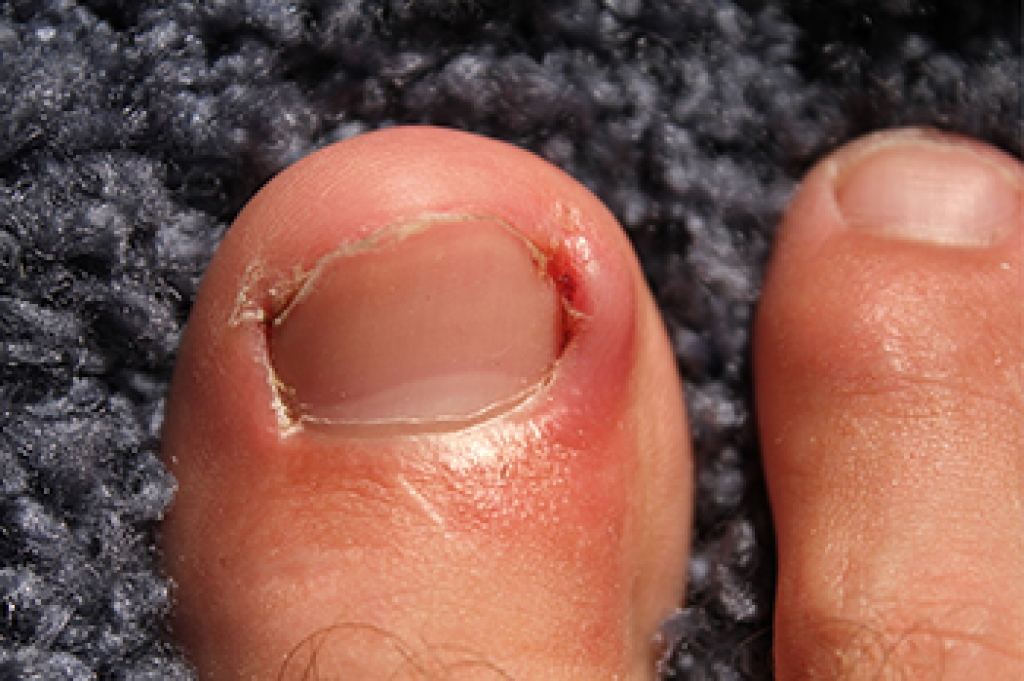
Ingrown toenails are caused when the corner or side of a toenail grows into the soft flesh surrounding it. They often result in redness, swelling, pain, and in some cases, infection. This condition typically affects the big toe and may recur if it is not treated properly.

Causes

  • Improper toenail trimming
  • Genetics
  • Improper shoe fitting
  • Injury from pedicures or nail picking
  • Abnormal gait
  • Poor hygiene

You are more likely to develop an ingrown toenail if you are obese, have diabetes, arthritis, or have any fungal infection in your nails. Additionally, people who have foot or toe deformities are at a higher risk of developing an ingrown toenail.

Symptoms

Some symptoms of ingrown toenails are redness, swelling, and pain. In rare cases, there may be a yellowish drainage coming from the nail.

Treatment

Ignoring an ingrown toenail can have serious complications. Infections of the nail border can progress to a deeper soft-tissue infection, which can then turn into a bone infection. You should always speak with your podiatrist if you suspect you have an ingrown toenail, especially if you have diabetes or poor circulation.

If you have any questions, please feel free to contact our offices located in Nampa and Fruitland, ID . We offer the newest diagnostic and treatment technologies for all your foot care needs.

Read more about Ingrown Toenails

Treatment for Foot Puncture Wounds

Puncture wounds to the feet are often caused by sharp objects, such as nails, glass, or thorns. Animal bites.might also cause puncture wounds. They should never be considered minor injuries. Even the smallest puncture wounds can trap bacteria deep beneath the skin. If care is delayed, this increases the risk of infection, abscess formation, joint involvement, or bone infection. Symptoms may initially appear mild, but pain, swelling, redness, or drainage can develop days or even weeks later. A podiatrist evaluates the depth, location, and cause of the injury, checks for retained foreign material, and assesses surrounding nerves, tendons, joints, and bone. Diagnostic imaging and laboratory testing may be used to detect hidden damage or early infection. Prompt medical management can significantly reduce the risk of serious complications for people with diabetes, who may lack sensation in the feet. For help with foot pain caused by a puncture, it is suggested that you make an appointment with a podiatrist for an exam, diagnosis, and treatment.

Wound care is an important part in dealing with diabetes. If you have diabetes and a foot wound or would like more information about wound care for diabetics, consult with one of our podiatrists from Foot & Ankle Medical Center . Our practitioners will assess your condition and provide you with quality foot and ankle treatment.

What Is Wound Care?

Wound care is the practice of taking proper care of a wound. This can range from the smallest to the largest of wounds. While everyone can benefit from proper wound care, it is much more important for diabetics. Diabetics often suffer from poor blood circulation which causes wounds to heal much slower than they would in a non-diabetic. 

What Is the Importance of Wound Care?

While it may not seem apparent with small ulcers on the foot, for diabetics, any size ulcer can become infected. Diabetics often also suffer from neuropathy, or nerve loss. This means they might not even feel when they have an ulcer on their foot. If the wound becomes severely infected, amputation may be necessary. Therefore, it is of the upmost importance to properly care for any and all foot wounds.

How to Care for Wounds

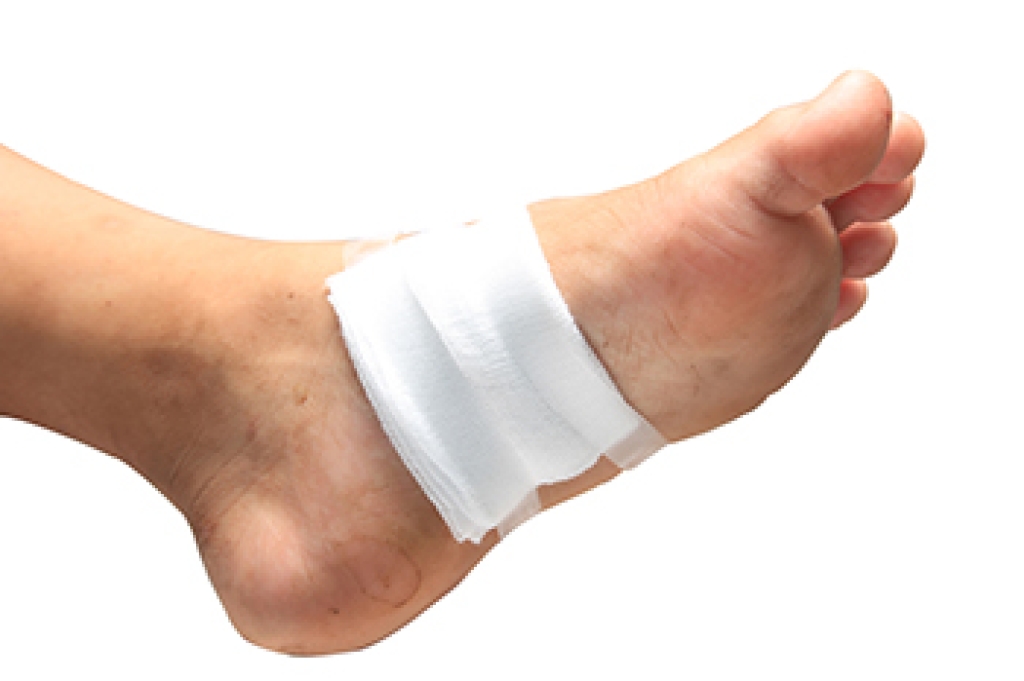
The best way to care for foot wounds is to prevent them. For diabetics, this means daily inspections of the feet for any signs of abnormalities or ulcers. It is also recommended to see a podiatrist several times a year for a foot inspection. If you do have an ulcer, run the wound under water to clear dirt from the wound; then apply antibiotic ointment to the wound and cover with a bandage. Bandages should be changed daily and keeping pressure off the wound is smart. It is advised to see a podiatrist, who can keep an eye on it.

If you have any questions please contact our offices located in Nampa and Fruitland, ID . We offer the newest diagnostic and treatment technologies for all your foot and ankle needs.
Read more about Wound Care

Plantar Warts Can Be Treated!

Plantar warts are small growths that develop on parts of the feet that bear weight. They're typically found on the bottom of the foot. Don't live with plantar warts, and call us today!

Foot Pain From Treadmill Running

During the winter months, many people turn to treadmill running, but this sudden change can place added stress on the feet. Treadmills increase repetition, meaning the same movement is performed thousands of times in a short period. This can strain foot structures and aggravate existing issues. Incline settings may further increase tension through the heel and arch, raising the risk of heel pain, Achilles discomfort, or nerve irritation in the forefoot. Symptoms may include soreness along the bottom of the heel, stiffness when taking the first steps of the day, or burning or tingling between the toes. A podiatrist can evaluate foot mechanics, assess treadmill habits, and identify contributing factors like tight calf muscles or altered gait patterns. If you have foot pain after treadmill running, it is suggested that you make an appointment with a podiatrist for an exam and treatment options.

All runners should take extra precaution when trying to avoid injury. If you have any concerns about your feet, contact one of our podiatrists of Foot & Ankle Medical Center . Our practitioners will treat your foot and ankle needs.

How to Prevent Running Injuries

There are a lot of mistakes a runner can make prior to a workout that can induce injury. A lot of athletes tend to overstretch before running, instead of saving those workouts for a post-run routine. Deep lunges and hand-to-toe hamstring pulls should be performed after a workout instead of during a warmup. Another common mistake is jumping into an intense routine before your body is physically prepared for it. You should try to ease your way into long-distance running instead of forcing yourself to rush into it.

More Tips for Preventing Injury

  • Incorporate Strength Training into Workouts - This will help improve the body’s overall athleticism
  • Improve and Maintain Your Flexibility – Stretching everyday will help improve overall performance
  • “Warm Up” Before Running and “Cool Down” Afterward – A warm up of 5-10 minutes helps get rid of lactic acid in the muscles and prevents delayed muscle soreness
  • Cross-Training is Crucial
  • Wear Proper Running Shoes
  • Have a Formal Gait Analysis – Poor biomechanics can easily cause injury

If you have any questions, please feel free to contact our offices located in Nampa and Fruitland, ID . We offer the newest diagnostic and treatment technologies for all your foot care needs.

Read more about Preventing Running Injuries

Connect With Us

scroll to top