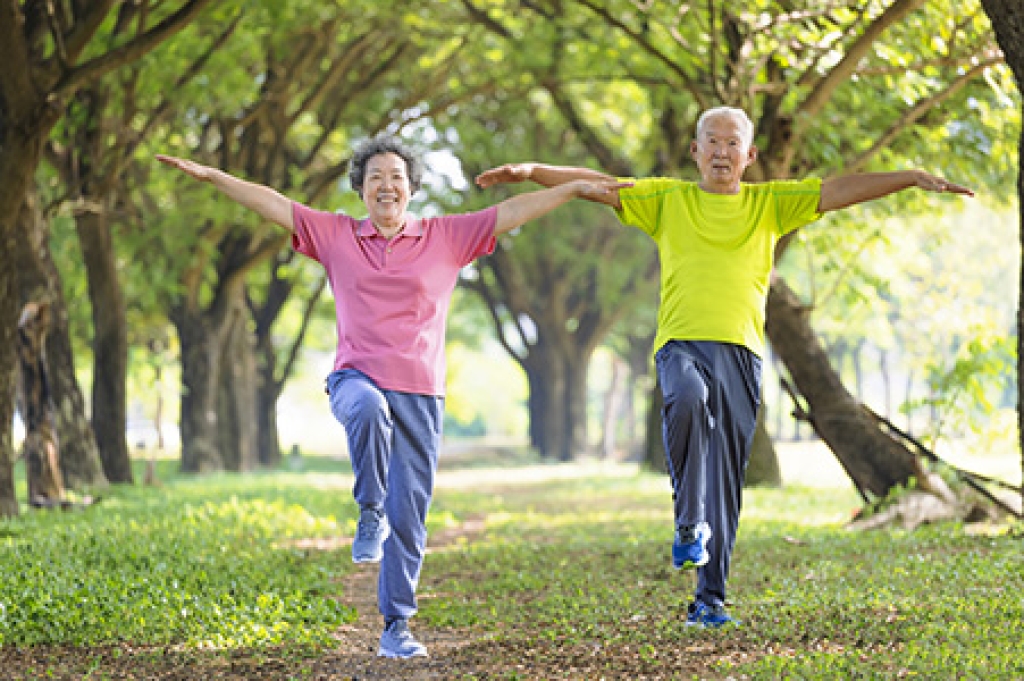
Falls in seniors are a leading cause of injury and often result from a loss of balance or coordination. A fall occurs when the body is unable to maintain stability during movement or standing. Age-related changes in the muscles and joints can affect balance and increase the chance of falling. Reduced physical activity and underlying health conditions may also contribute. Understanding fall prevention strategies is key to protecting long term mobility and safety.
Common symptoms associated with fall risk include dizziness, instability, and difficulty maintaining posture. Seniors may feel unsure when walking on uneven surfaces or when changing direction. After a fall, individuals may experience pain in the feet, ankles, or other parts of the body. Swelling and limited movement can interfere with daily activities. Identifying these symptoms early can help reduce the likelihood of repeated falls.
Risk factors include poor physical conditioning, weak muscles, and lack of balance training. Social isolation and limited activity may lead to reduced strength and coordination. Foot problems, such as pain or improper footwear, can affect stability and increase fall risk. Environmental factors like poor lighting or cluttered walkways may also contribute. Falls often result from a combination of physical and environmental issues that affect safe movement.
Preventing falls involves improving balance and maintaining an active lifestyle. Exercises such as tai chi, pilates, and yoga can strengthen muscles and enhance coordination. Practicing balance techniques like walking in a straight line can improve stability. Wearing supportive footwear and regular foot care are also important for safe movement. If you have sustained a foot or ankle injury after a fall, it is suggested that you consult a podiatrist for effective relief and treatment solutions, and additional fall prevention tips.
Preventing falls among the elderly is very important. If you are older and have fallen or fear that you are prone to falling, consult with Troy Fowler, DPM from Foot & Ankle Medical Center . Our practitioner will assess your condition and provide you with quality advice and care.
Every 11 seconds, an elderly American is being treated in an emergency room for a fall related injury. Falls are the leading cause of head and hip injuries for those 65 and older. Due to decreases in strength, balance, senses, and lack of awareness, elderly persons are very susceptible to falling. Thankfully, there are a number of things older persons can do to prevent falls.
How to Prevent Falls
Some effective methods that older persons can do to prevent falls include:
- Enrolling in strength and balance exercise program to increase balance and strength
- Periodically having your sight and hearing checked
- Discuss any medications you have with a doctor to see if it increases the risk of falling
- Clearing the house of falling hazards and installing devices like grab bars and railings
- Utilizing a walker or cane
- Wearing shoes that provide good support and cushioning
- Talking to family members about falling and increasing awareness
Falling can be a traumatic and embarrassing experience for elderly persons; this can make them less willing to leave the house, and less willing to talk to someone about their fears of falling. Doing such things, however, will increase the likelihood of tripping or losing one’s balance. Knowing the causes of falling and how to prevent them is the best way to mitigate the risk of serious injury.
If you have any questions, please feel free to contact our offices located in Nampa and Fruitland, ID . We offer the newest diagnostic and treatment technologies for all your foot care needs.
