
Painful deformities, such as hammertoes, can be treated. Stop living with foot pain, and have beautiful feet again!
Painful deformities, such as hammertoes, can be treated. Stop living with foot pain, and have beautiful feet again!
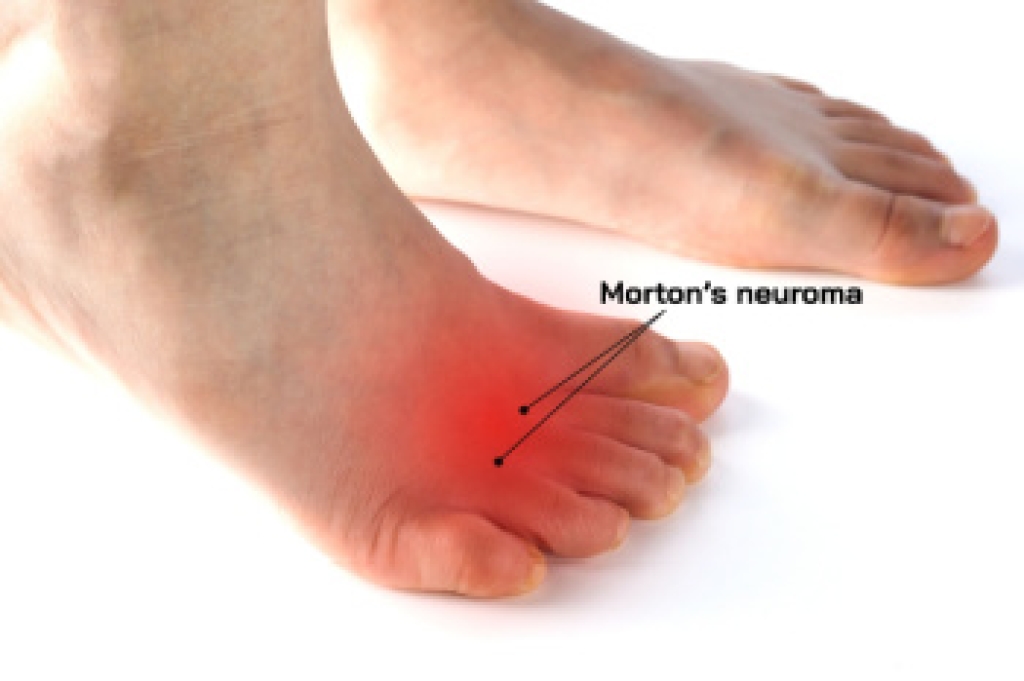
Morton’s neuroma is a condition in which the nerve between the metatarsal bones becomes thickened from repeated compression and irritation. It most often develops between the third and fourth toes and is commonly seen in individuals who wear narrow shoes or participate in high impact activities. Rather than visible swelling, the primary complaint is nerve-related pain. Patients frequently describe electric, shooting discomfort in the ball of the foot, along with tingling or numbness in the toes. Some feel as though their sock is bunched up or that they are stepping on a small object. Symptoms may worsen with prolonged walking and improve when shoes are removed. A podiatrist can identify the affected area through examination and specific pressure testing, and imaging may be used to confirm the diagnosis. Treatment may include footwear changes, custom orthotics, anti-inflammatory care, or injections to calm the nerve. If you suspect you may have Morton’s neuroma, it is suggested that you make an appointment with a podiatrist for proper evaluation and treatment.
Morton’s neuroma is a very uncomfortable condition to live with. If you think you have Morton’s neuroma, contact one of our podiatrists of Foot & Ankle Medical Center . Our practitioners will attend to all of your foot care needs and answer any of your related questions.
Morton’s Neuroma
Morton's neuroma is a painful foot condition that commonly affects the areas between the second and third or third and fourth toe, although other areas of the foot are also susceptible. Morton’s neuroma is caused by an inflamed nerve in the foot that is being squeezed and aggravated by surrounding bones.
What Increases the Chances of Having Morton’s Neuroma?
Morton’s neuroma is a very treatable condition. Orthotics and shoe inserts can often be used to alleviate the pain on the forefront of the feet. In more severe cases, corticosteroids can also be prescribed. In order to figure out the best treatment for your neuroma, it’s recommended to seek the care of a podiatrist who can diagnose your condition and provide different treatment options.
If you have any questions, please feel free to contact our offices located in Nampa and Fruitland, ID . We offer the newest diagnostic and treatment technologies for all your foot care needs.
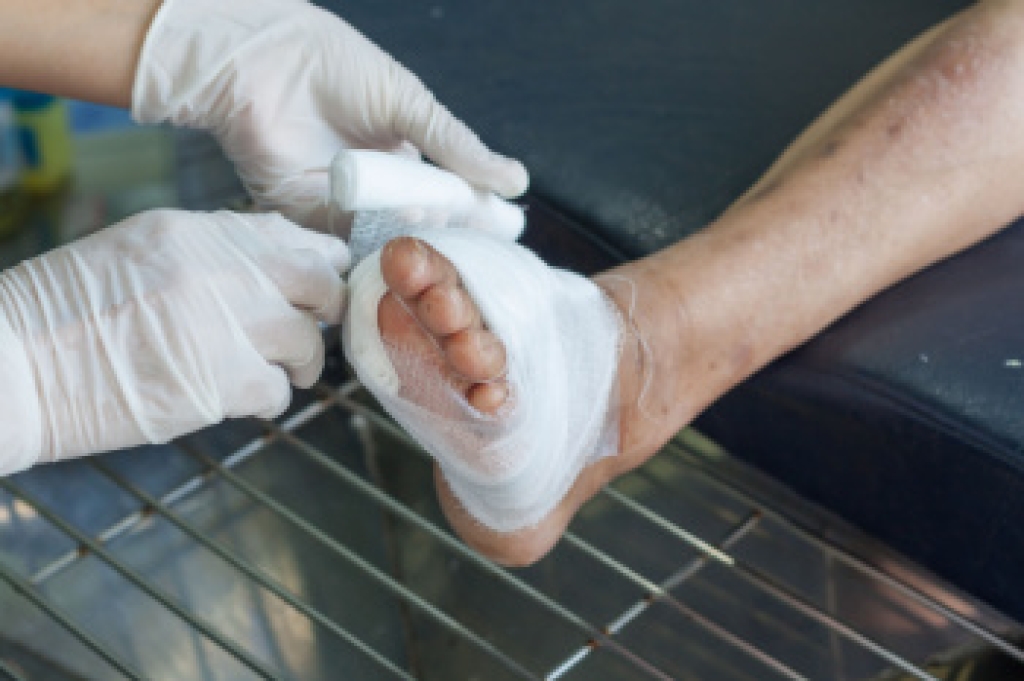
Diabetes can affect circulation, nerve function, and the skin of the feet, increasing the risk of sores, infections, and delayed healing. Effective management focuses on prevention, early detection, and consistent care. Daily foot checks help identify redness, pressure areas, or breaks in the skin before they worsen. Wearing supportive footwear reduces friction and uneven pressure that can lead to injury. Keeping blood sugar levels well controlled supports tissue health and healing capacity. Regular nail care and skin maintenance help limit cracks and ingrown nails that may become entry points for infection. Prompt treatment of even minor issues is critical, since reduced sensation may mask developing problems. With proper attention, many complications can be avoided or managed successfully. If you have diabetes and experience changes in the feet, or have ongoing discomfort, it is suggested that you see a podiatrist for proper diagnosis and appropriate treatment.
Diabetic foot care is important in preventing foot ailments such as ulcers. If you are suffering from diabetes or have any other concerns about your feet, contact one of our podiatrists from Foot & Ankle Medical Center . Our practitioners can provide the care you need to keep you pain-free and on your feet.
Diabetic Foot Care
Diabetes affects millions of people every year. The condition can damage blood vessels in many parts of the body, especially the feet. Because of this, taking care of your feet is essential if you have diabetes, and having a podiatrist help monitor your foot health is highly recommended.
The Importance of Caring for Your Feet
Patients with diabetes should have their doctor monitor their blood levels, as blood sugar levels play such a huge role in diabetic care. Monitoring these levels on a regular basis is highly advised.
It is always best to inform your healthcare professional of any concerns you may have regarding your feet, especially for diabetic patients. Early treatment and routine foot examinations are keys to maintaining proper health, especially because severe complications can arise if proper treatment is not applied.
If you have any questions, please feel free to contact our offices located in Nampa and Fruitland, ID . We offer the newest diagnostic and treatment technologies for all your foot care needs.

Working in the restaurant industry often means long hours on hard floors, quick movements, and constant standing, all of which can lead to foot pain and injury. To avoid common foot problems, it is important to wear non-slip shoes that provide stability and reduce the risk of falls in fast-paced kitchen and dining environments. Proper arch support is equally important, as it helps distribute weight evenly, reduce strain, and prevent plantar fasciitis and heel pain. Maintaining good foot hygiene and replacing worn footwear also supports long-term comfort. If you have foot pain during your work day, it is suggested that you consult a podiatrist who can treat various foot and ankle conditions, and guide you on the correct shoes to wear.
While working on the feet, it is important to take the proper care of them. For more information about working on your feet, contact one of our podiatrists from Foot & Ankle Medical Center . Our practitioners will treat your foot and ankle needs.
Working on Your Feet
Standing on your feet for long periods of time can cause stress and pain in your feet. Your whole body may experience change in terms of posture, back pain, bunions, callouses and or plantar warts. There are ways to avoid these conditions with proper foot care, smart choices and correct posture.
Positive Changes
Negative heeled shoe – Choosing this shoe type places the heel slightly lower than the ball of the foot. These are great for overall foot health. Find shoes that fit you correctly.
Go barefoot – Our feet were not designed to be enclosed for all hours of the day. Try to periodically expose your feet to air.
Eliminate Pain
Foot Exercises – Performing simple exercises, incorporating yoga and doing stretches are beneficial. This will allow increased blood flow to the area and muscles of the foot.
Achilles tendon – Stretching the foot out flat on the floor will relax the calf muscles and tendon. These exercises can be performed almost anywhere. Make sure you add these exercises to your daily regimen.
With a little bit of this information and knowing more about foot health, you will notice changes. Foot stretches and proper footwear will help with pain and prevent further issues.
If you have any questions please contact our offices located in Nampa and Fruitland, ID . We offer the newest diagnostic and treatment technologies for all your foot and ankle needs.
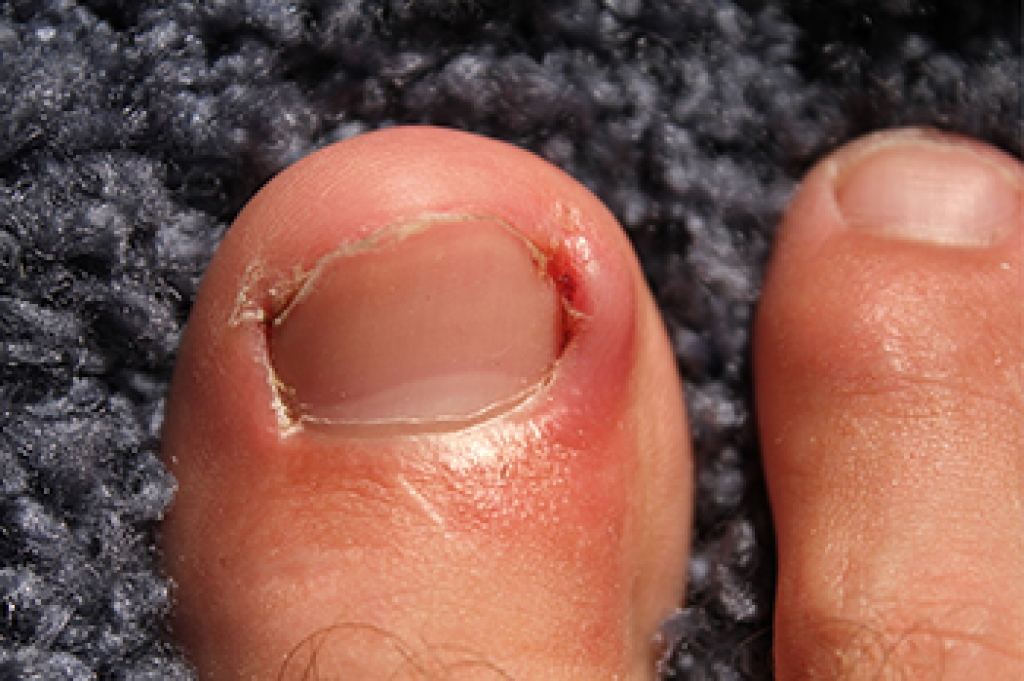
Ingrown toenail removal can offer immediate relief when the edge of a nail digs into the surrounding skin and causes swelling, redness, or sharp, persistent discomfort. This problem usually affects the big toe and can make walking or wearing shoes feel unbearable. When home care no longer helps, a minor in-office procedure can gently lift or remove the troubled nail portion and allow the skin to heal. The treatment is quick, and most people feel better almost immediately. If ingrown toenails keep returning, a podiatrist may recommend a small procedure to prevent that part of the nail from growing back. This method is safe and very effective for frequent or severe cases. Early attention helps avoid infection and speeds healing. If you notice worsening toenail pain, drainage, or difficulty walking, it is suggested that you see a podiatrist for a proper diagnosis and appropriate care.
Ingrown toenails may initially present themselves as a minor discomfort, but they may progress into an infection in the skin without proper treatment. For more information about ingrown toenails, contact one of our podiatrists of Foot & Ankle Medical Center . Our practitioners can provide the care you need to keep you pain-free and on your feet.
Ingrown Toenails
Ingrown toenails are caused when the corner or side of a toenail grows into the soft flesh surrounding it. They often result in redness, swelling, pain, and in some cases, infection. This condition typically affects the big toe and may recur if it is not treated properly.
Causes
You are more likely to develop an ingrown toenail if you are obese, have diabetes, arthritis, or have any fungal infection in your nails. Additionally, people who have foot or toe deformities are at a higher risk of developing an ingrown toenail.
Symptoms
Some symptoms of ingrown toenails are redness, swelling, and pain. In rare cases, there may be a yellowish drainage coming from the nail.
Treatment
Ignoring an ingrown toenail can have serious complications. Infections of the nail border can progress to a deeper soft-tissue infection, which can then turn into a bone infection. You should always speak with your podiatrist if you suspect you have an ingrown toenail, especially if you have diabetes or poor circulation.
If you have any questions, please feel free to contact our offices located in Nampa and Fruitland, ID . We offer the newest diagnostic and treatment technologies for all your foot care needs.
Connect With Us
