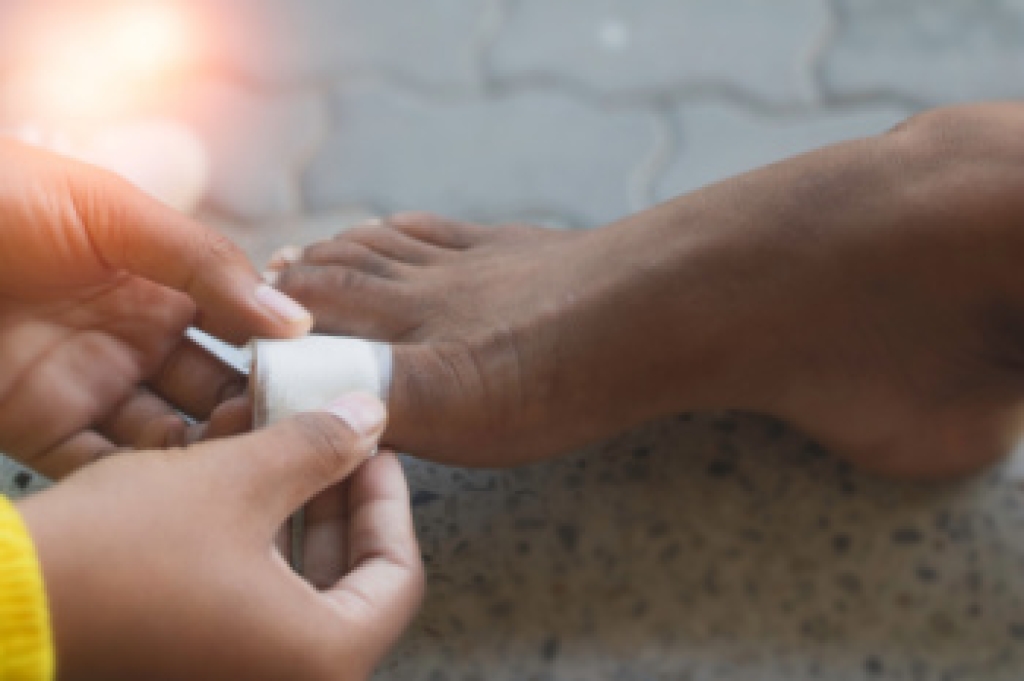
Foot blisters can develop from a surprising range of factors beyond simple rubbing. Wearing poorly fitting footwear often creates pressure points, while damp conditions from sweat or external moisture soften the skin and make it more vulnerable. Increased activity, especially when breaking in new shoes, can quickly irritate sensitive areas. Certain skin issues, including fungal infections, dermatitis, or reactions to materials, may also trigger blister formation. Environmental extremes such as heat or cold can damage the skin and lead to fluid-filled pockets. Changes in foot shape or walking patterns can shift pressure to unfamiliar areas, increasing risk. While some blisters heal on their own, others may become painful or infected without proper care. If you notice recurring issues with blisters on your feet or slow healing, it is wise to seek professional advice. It is suggested that you schedule a visit with a podiatrist to keep your feet healthy, comfortable, and ready for daily activity.
Blisters are prone to making everyday activities extremely uncomfortable. If your feet are hurting, contact Troy Fowler, DPM of Foot & Ankle Medical Center . Our practitioner can provide the care you need to keep you pain-free and on your feet.
Foot Blisters
Foot blisters develop as a result of constantly wearing tight or ill-fitting footwear. This happens due to the constant rubbing from the shoe, which can often lead to pain.
What Are Foot Blisters?
A foot blister is a small fluid-filled pocket that forms on the upper-most layer of the skin. Blisters are filled with clear fluid and can lead to blood drainage or pus if the area becomes infected.
How Do Blisters Form?
Blisters on the feet are often the result of constant friction of skin and material, usually by shoe rubbing. Walking in sandals, boots, or shoes that don’t fit properly for long periods of time can result in a blister. Having consistent foot moisture and humidity can easily lead to blister formation.
Prevention & Treatment
It is important to properly care for the affected area in order to prevent infection and ease the pain. Do not lance the blister and use a Band-Aid to provide pain relief. Also, be sure to keep your feet dry and wear proper fitting shoes. If you see blood or pus in a blister, seek assistance from a podiatrist.
If you have any questions, please feel free to contact our offices located in Nampa and Fruitland, ID . We offer the newest diagnostic and treatment technologies for all your foot care needs.
